

Betta & nano tanks
Right-sized gear for betta and nano tanks
A rated 5-gallon holds about 4.3 gallons of water and needs 15.1 watts to hold 78°F in a normal room. Nothing is sold at 15.1 watts, so the answer is a 25. We publish that sum on every page, and you can check it.
Where we stand
Units we claim to have tested: zero. Everyone in this category says they tested twenty tanks. We have not tested any, and we say so.
What we did instead: read the manuals, compiled the published specifications for 20 products, and did the arithmetic they imply - 20 of them carry at least one figure we could trace to a manufacturer page, and where a maker publishes nothing we print that absence rather than a number we invented. The heater wattage on this site comes out of Fluval’s own published ratings. The turnover figures come out of your tank’s real water volume, not its shelf label. Every sum is on the page you need it on.
Six things a nano tank makes you choose
Each of these is a destination rather than a menu: what to buy first, how the category divides, what decides the price, and the mistake buyers make.



The picks, with the price on the button
Where we hold a live price it is inside the buy button. Where we do not, the button says “check price” - never a stale number we cannot verify today.
 Best betta tank
Fluval Spec V Aquarium Kit, 5 US Gal
A betta that wants length, in a kit you do not have to add to
Best nano tankFluval Spec Aquarium Kit, 16 US Gal
A betta with a real community, or a nano fish shoal
Best beginner tankFluval Flex Aquarium Kit, 9 US Gal
A 9-gallon betta tank where the flow needs aiming, not baffling
 Best nano heater
Fluval P25 Submersible Heater, 25W
The shortcut
What size heater does your tank need?
Take your rated volume, subtract 15% for substrate and the fill line, multiply by 0.35 watts per gallon per degree of lift, and round up to a size somebody actually sells. Every figure in that sentence is derived from published manufacturer ratings, and the derivation is on the page.
| Tank | Water | Required | Buy |
|---|---|---|---|
| 3 US gal | 2.6 gal | 9.1W | 10W |
| 5 US gal | 4.3 gal | 15.1W | 25W |
| 10 US gal | 8.5 gal | 29.7W | 50W |
The four pages that carry the argument

Guide
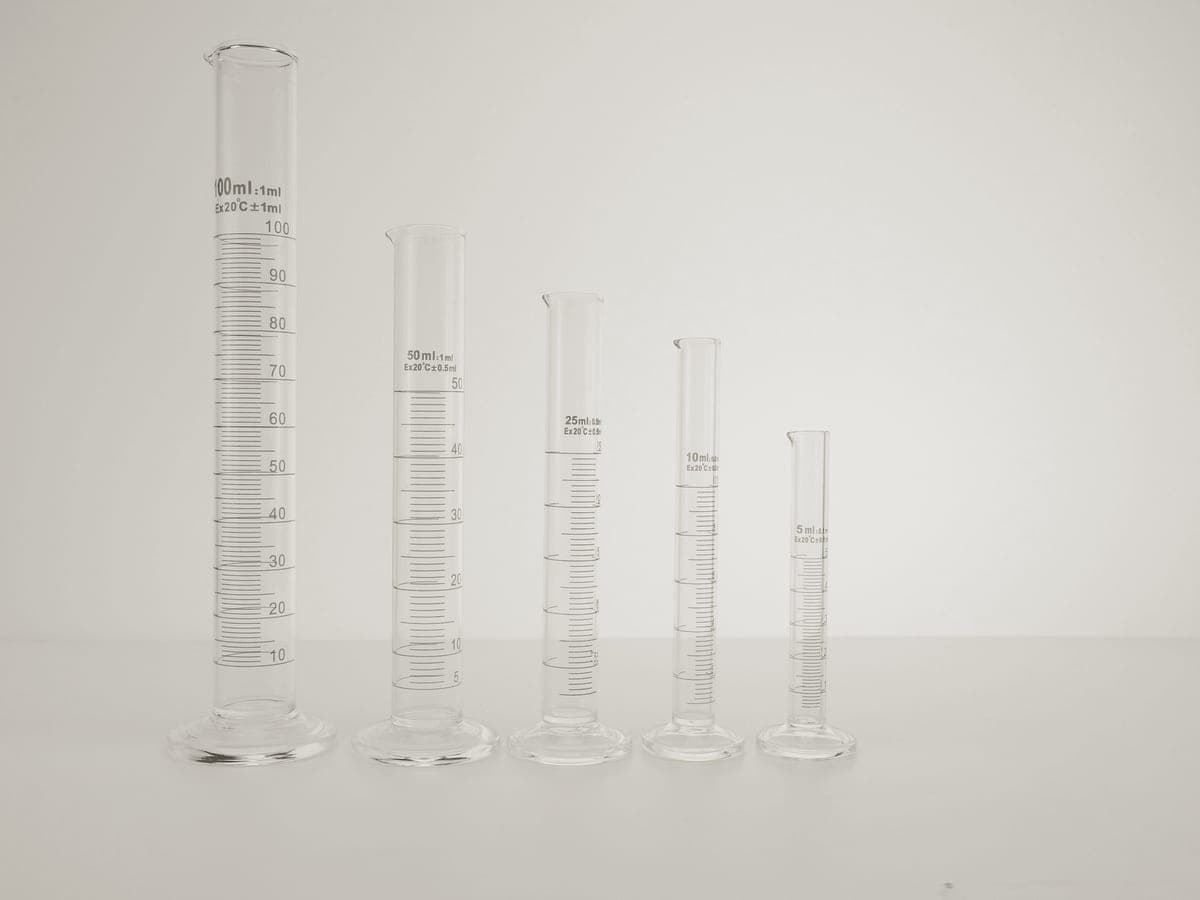
What size heater your tank actually needs
The full derivation: where the watts-per-gallon-per-degree constant comes from, what we assume about substrate, and a table for every common tank size and room temperature.
Guide
How many gallons does a betta need?
Five gallons is the floor and the reason is buffer, not swimming room. What each volume actually buys you, and the threshold where tank mates become possible.
Guide
Betta tank mates, threshold first
The volume threshold stated before the species list: invertebrates only at 5 gallons, fish from 10, and the honest fact that a betta needs no company at all.
Guide
How to cycle a betta tank
The fishless cycle step by step, with published bacteria dosing converted to nano volumes, the readings to expect each week, and how to cycle with a fish already in the tank.
Recently published
- Aquasoil versus inert substrate
- The best betta fish tanks
- The best betta food
- The best plants for a betta tank
- The best substrate for a betta tank
- The best betta tank mates
- The best filter for a 5-gallon betta tank
- The best heater for a 3-gallon tank
- The best heater for a 5-gallon betta tank
- The best nano fish for a small tank
How this is funded
Glass & Gravel is a participant in the Amazon Services LLC Associates Program, an affiliate advertising program. We earn from qualifying purchases made through links on this site, at no extra cost to you. It is the only way the site is funded: there is no sponsored placement, no paid review, and nothing here has been supplied free by a manufacturer.
A commission never moves a ranking. Several of the things we recommend most strongly - a plain ten-gallon glass tank, a sponge filter, feeding less - pay us little or nothing, and we recommend them anyway because they are the right answer.
The full affiliate disclosure, and our editorial policy. The badge on this page reads “Specs checked · 2026” because checking published specifications is what we actually do.